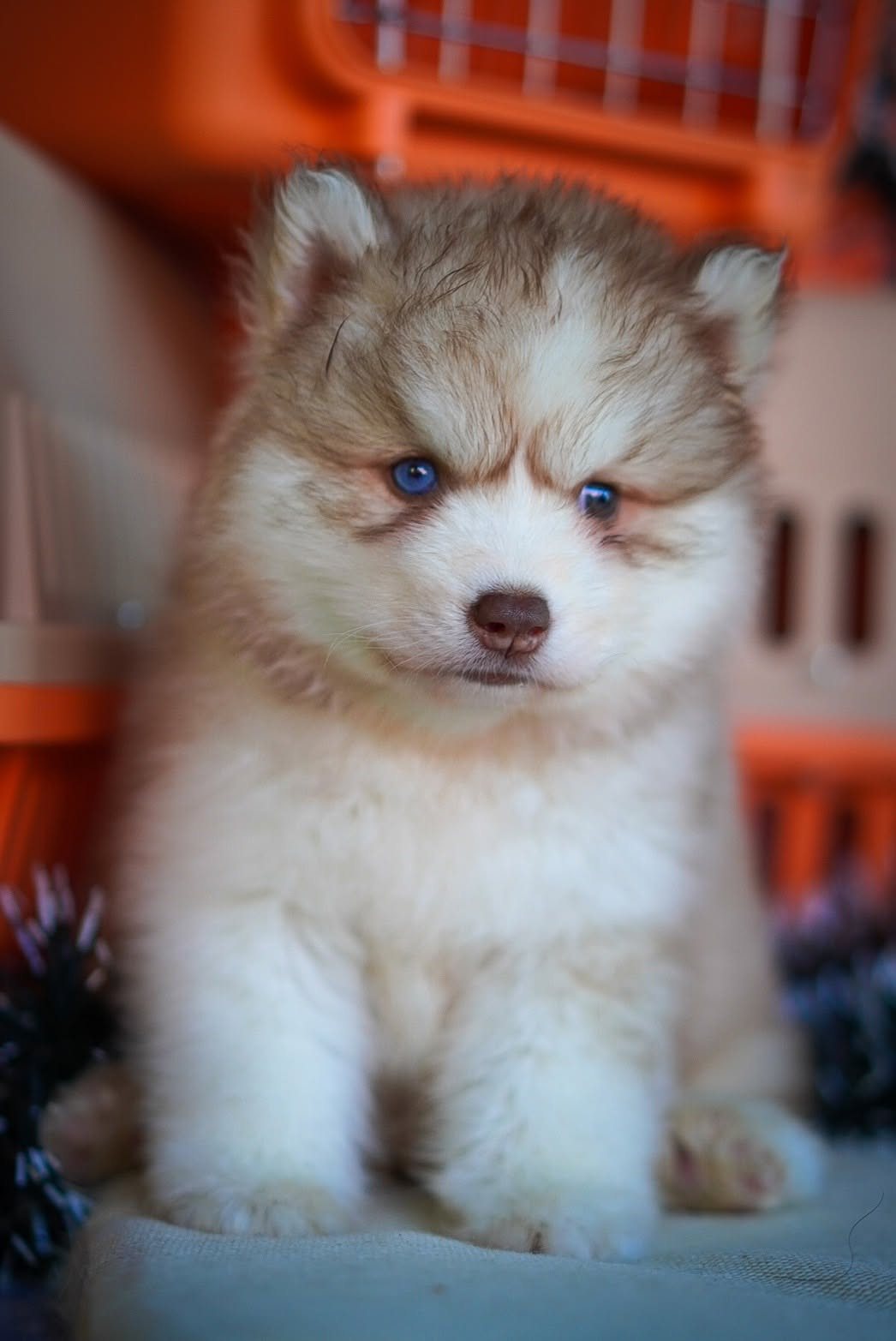
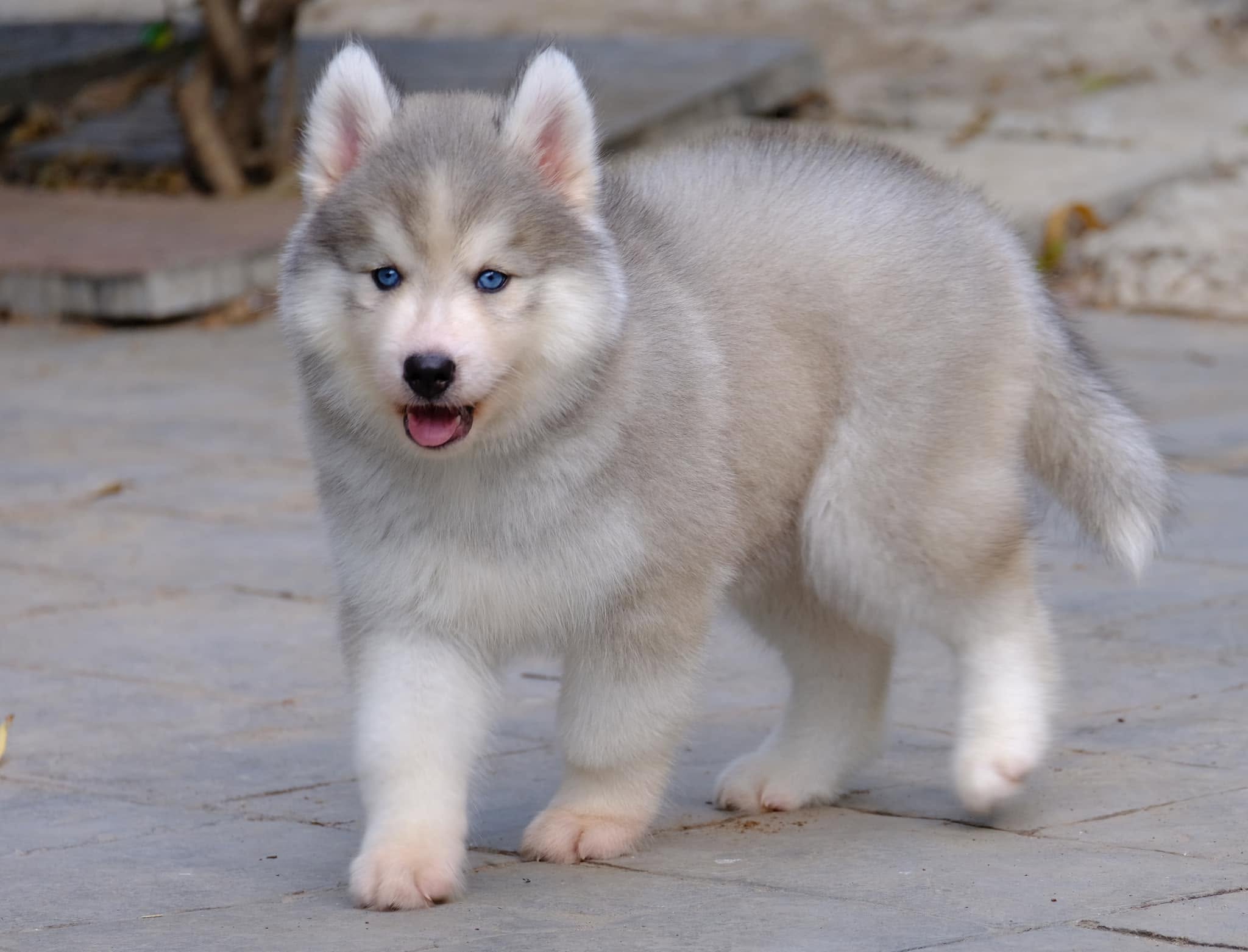
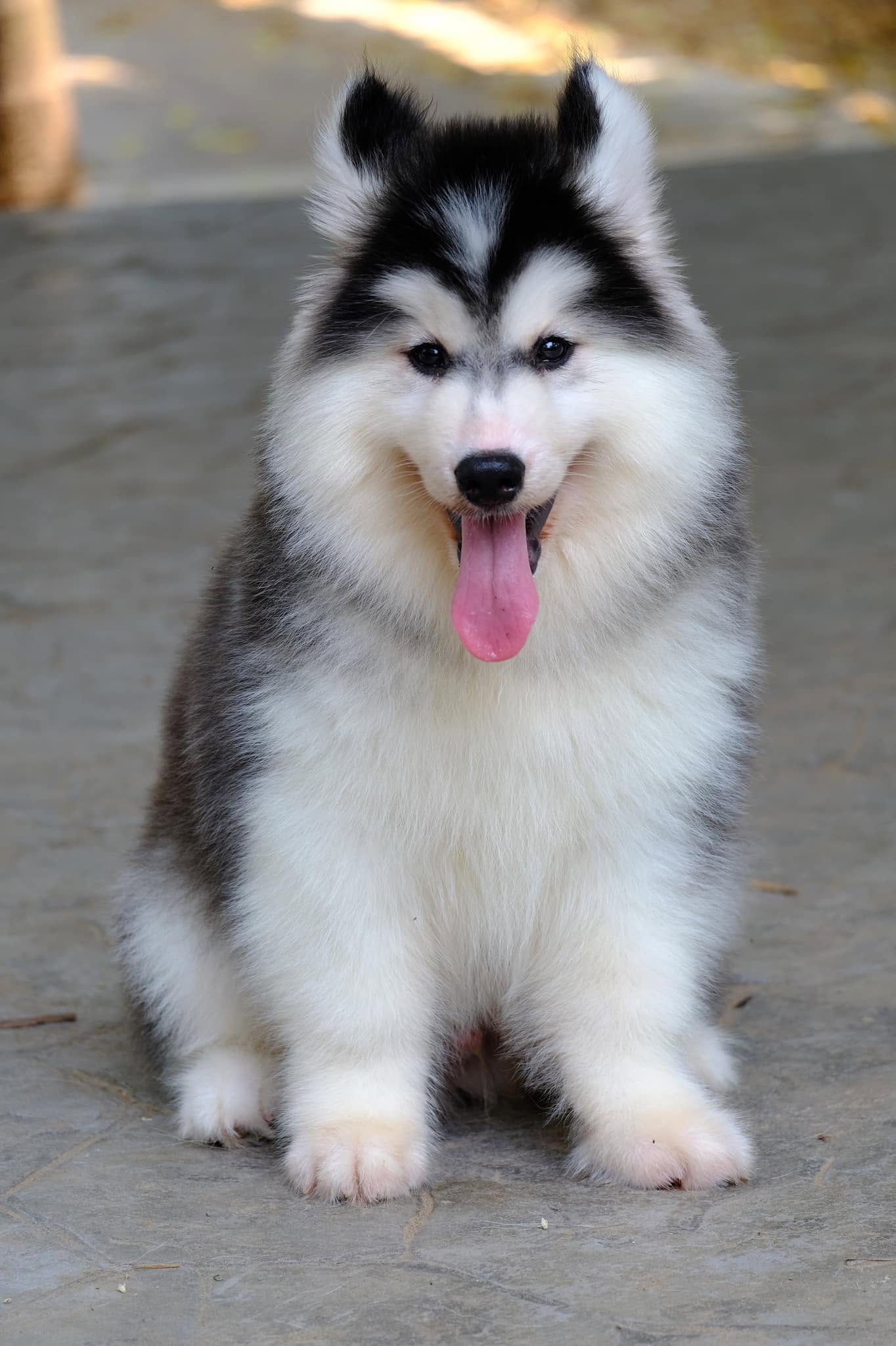
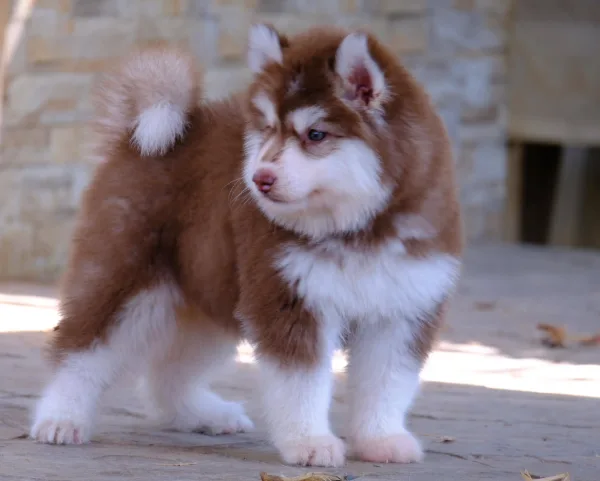
Huskies are one of the breeds most likely to escape, thanks to their curiosity, high energy and a talent for climbing and digging that surprises most owners.
What to do in the first 24 hours
- Search close to home first, especially shady spots and water, where it will seek relief from the heat
- Call in your normal, familiar voice — not angry or shouting
- Tell neighbours, shops, motorbike-taxi drivers and local security guards, and share a photo
- Post in local community and pet Facebook groups with where it went missing and your number
- Contact nearby vet clinics and pet shops — people who find dogs often take them there
Put its bed or something with its scent outside your home, with a bowl of water — familiar smells often help a dog find its way back.
Why a microchip matters so much
Collars come off, but a microchip stays for life. When someone takes your dog to a clinic or agency with a scanner, they can read the code and contact you. Every puppy from our farm is microchipped — just make sure your registered owner details are up to date.
Prevention is better
Huskies can jump higher fences than you’d think and dig under them very fast. Your fence should be high enough with nothing to climb on, such as pots or boxes against it, and have a dig barrier buried or laid along the bottom.
Watch the door
Dogs most often slip out when a house door or gate opens. Teach a “wait at the door” command, and use a two-door system with an extra gate before the real exit — it cuts the risk a lot.

Has raised and bred Siberian Huskies for more than 10 years · Read the farm’s story