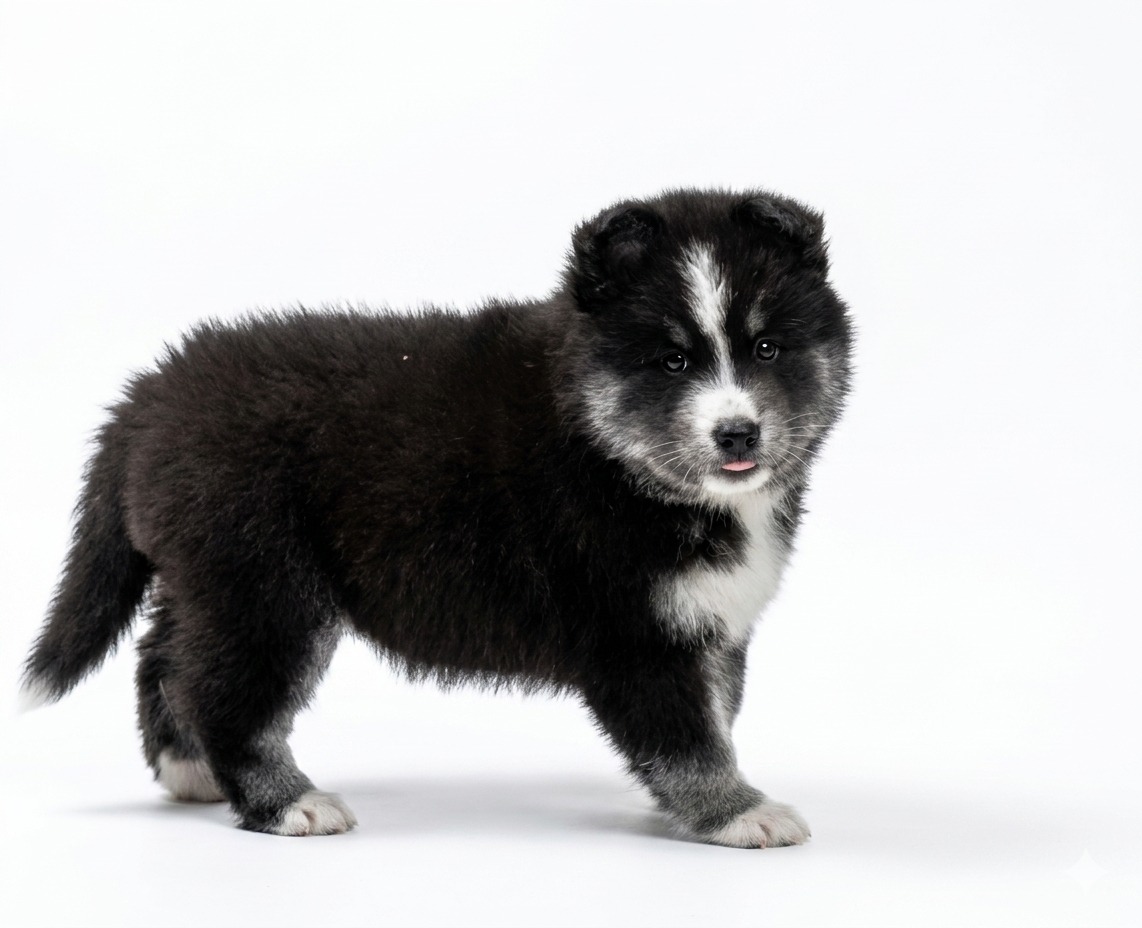
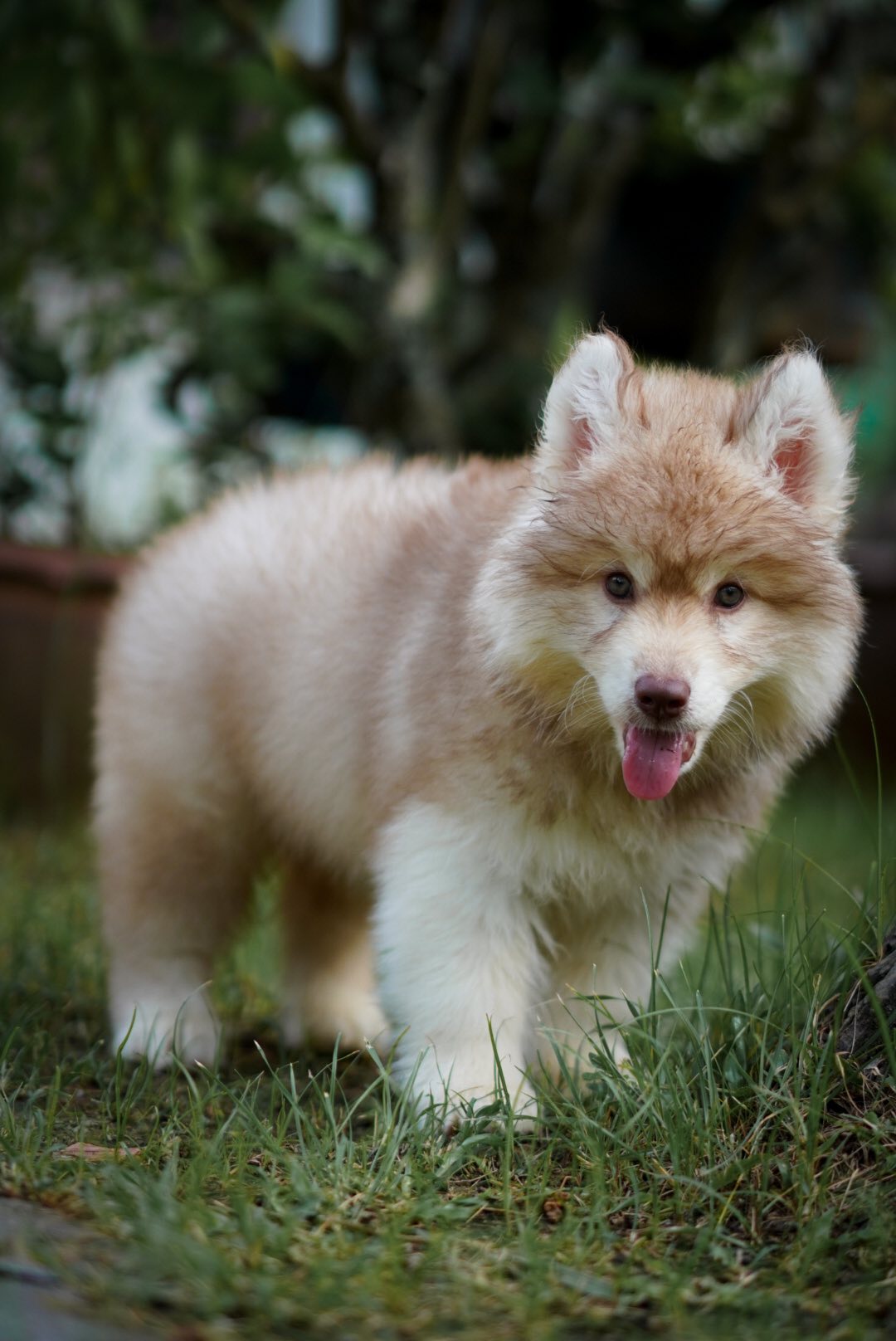
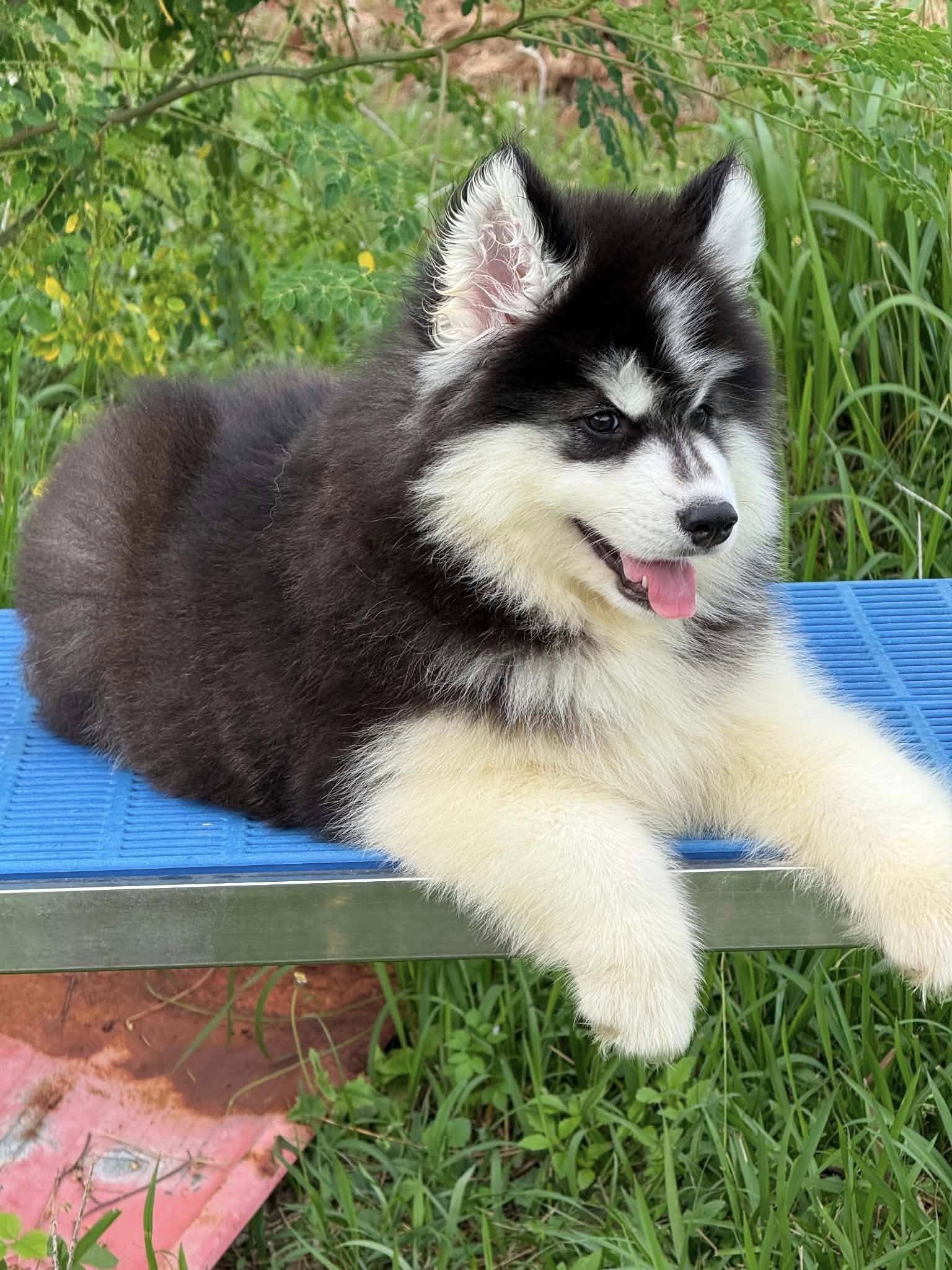
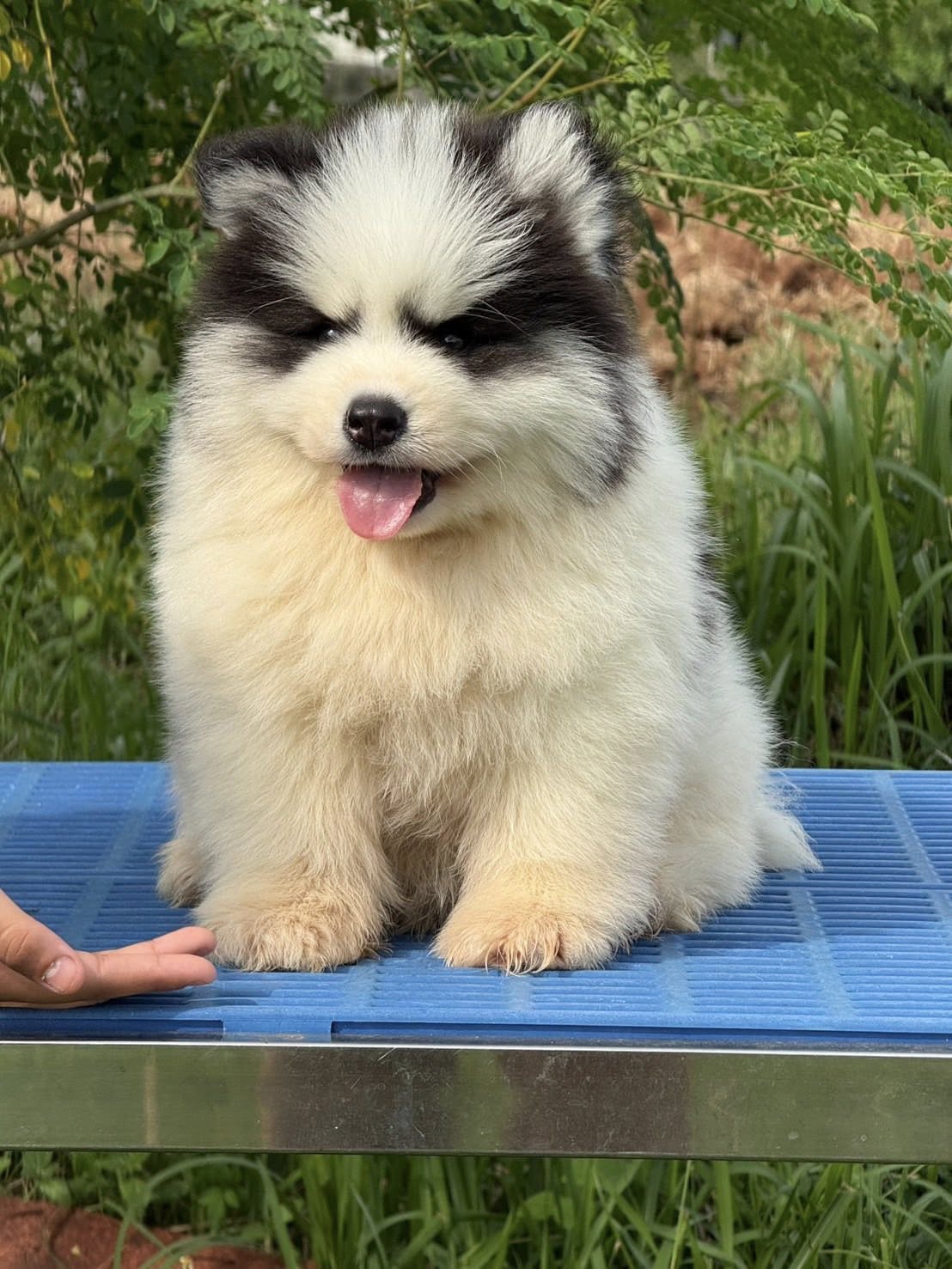
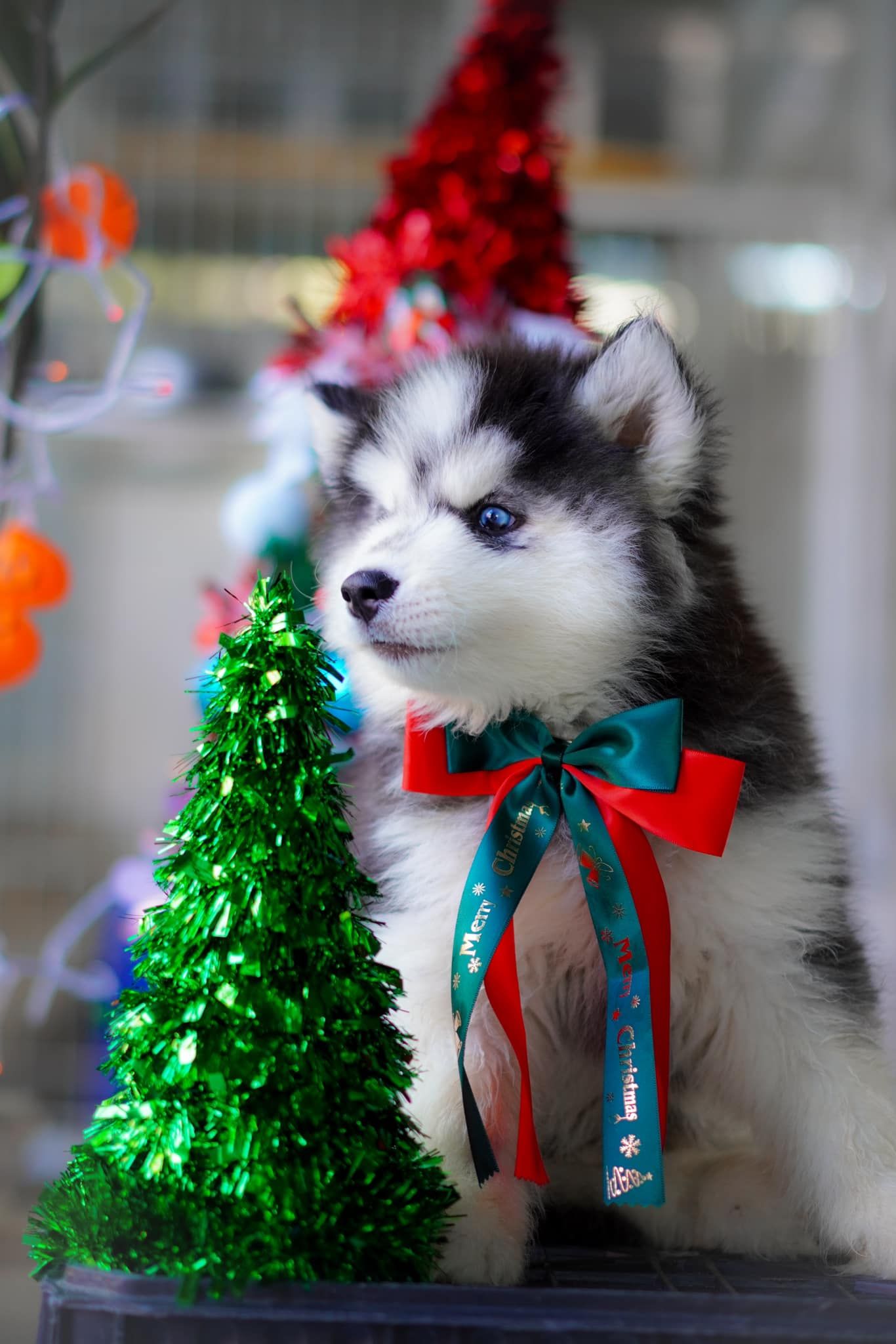
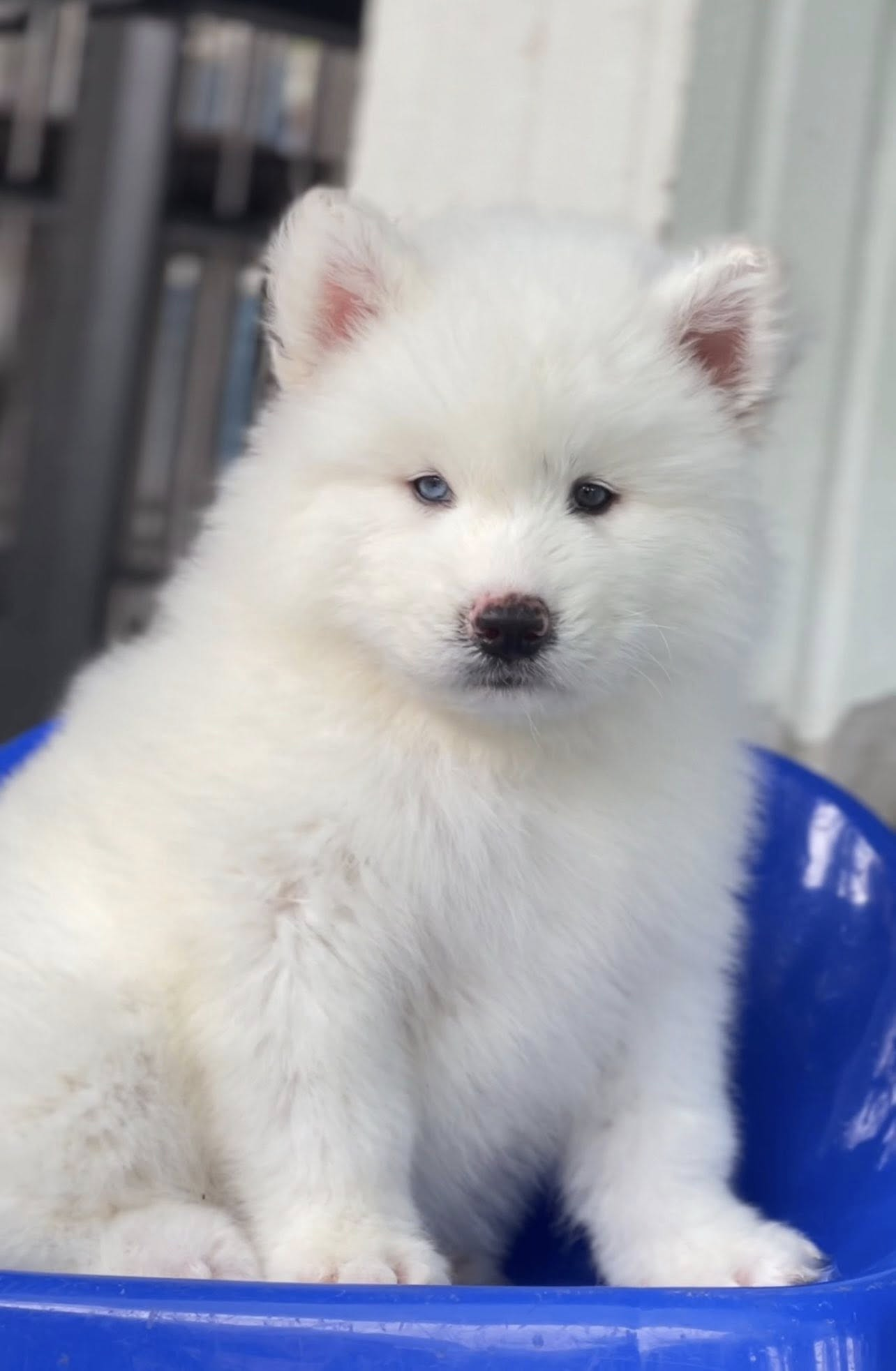
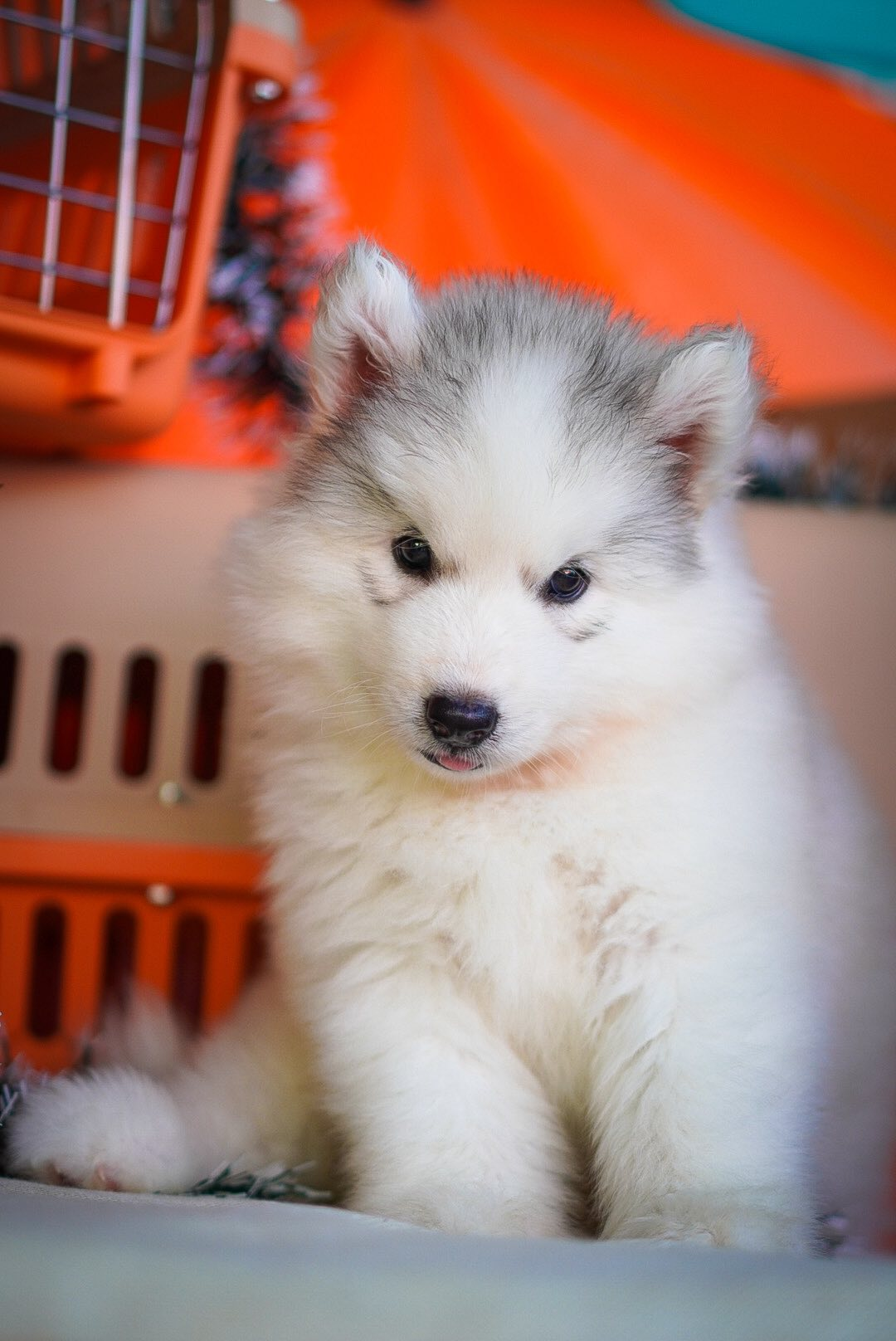
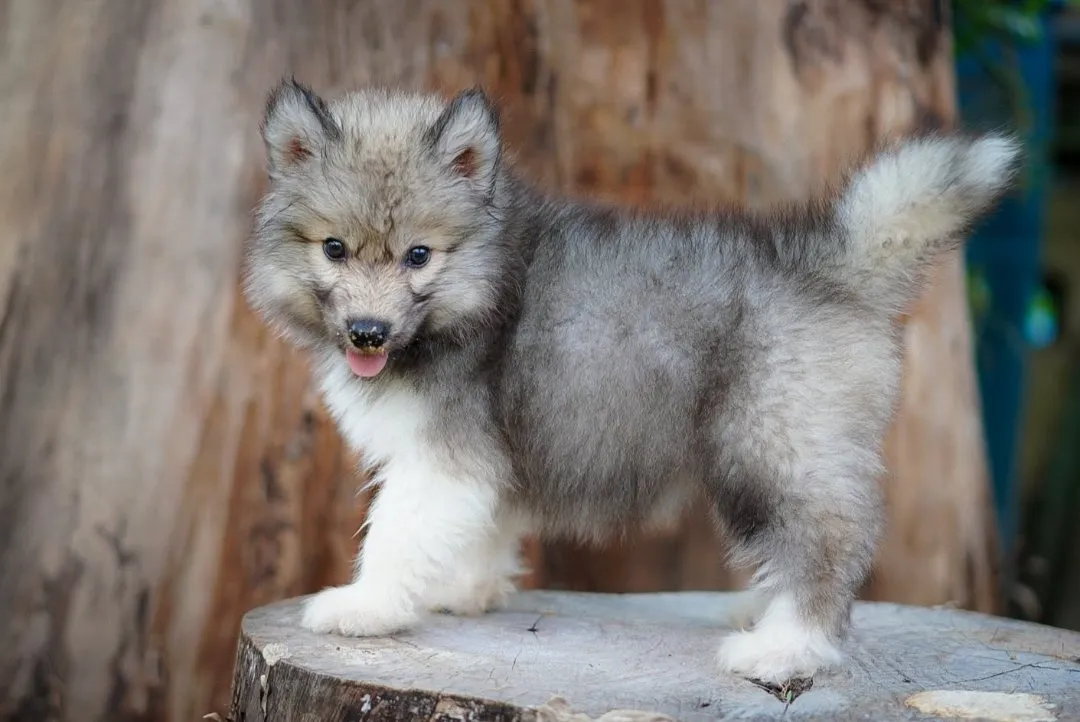
Huskies are known for being friendly and rarely aggressive with people, so they generally get on well with children. The real risk isn’t fierceness but their size and excitement, which can knock small children over.
Teach the children before the dog
- Don’t disturb the dog while it’s eating or sleeping
- No pulling tails or ears, or riding on its back
- Stroke gently on the back and chest — no patting or sudden pats on the head from above
- Don’t run away or scream, which triggers chasing
Give the dog its own safe space
Set up a crate or corner that’s the dog’s own, with a rule that nobody disturbs it there. A dog that can retreat when tired or annoyed doesn’t need to growl or snap to communicate.
Read the signs of discomfort
Watch for lip-licking, yawning, turning away or showing a crescent of eye-white. These mean the dog is uncomfortable and wants it to stop — calmly separate them before it escalates.
Involve children appropriately
Letting children refill water, measure food or practise simple commands with an adult present builds a positive bond and teaches responsibility.
Huskies and children
Huskies are usually patient and playful with children, but their size and energy can accidentally knock small kids over. Teach children to respect the dog — no tail-pulling or disturbing meals — and always supervise play.
Huskies and other animals
As pack dogs, huskies get on well with other dogs, but their strong prey drive means care with small animals such as cats, rabbits or rodents. Introductions should be gradual and controlled.
Create a good environment
Give each animal its own retreat, share attention fairly to reduce jealousy, and reward calm time together — so everyone at home lives happily.
Never leave young children alone with a dog, however good-natured. Adult supervision is a rule with no exceptions.

Has raised and bred Siberian Huskies for more than 10 years · Read the farm’s story