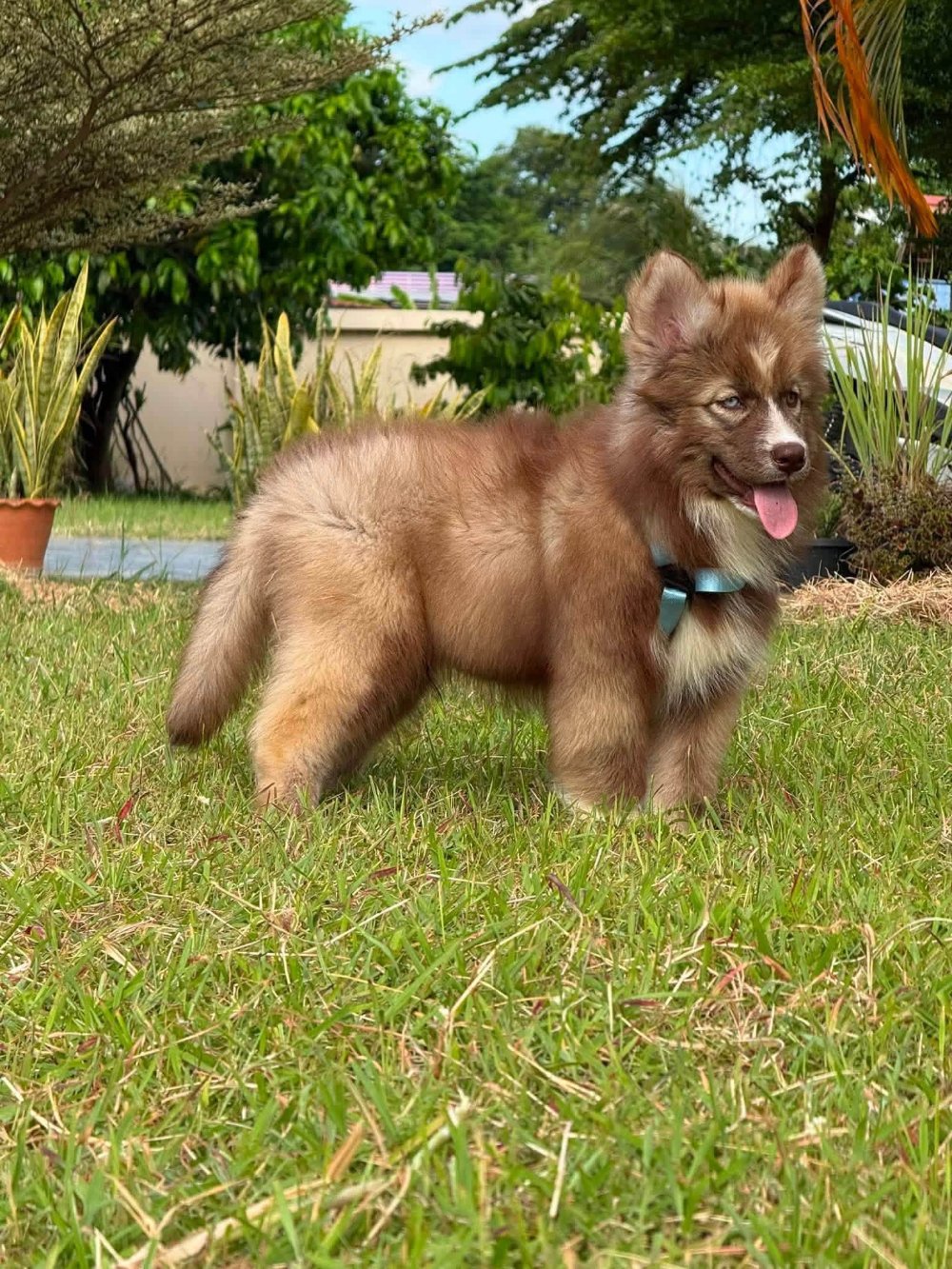
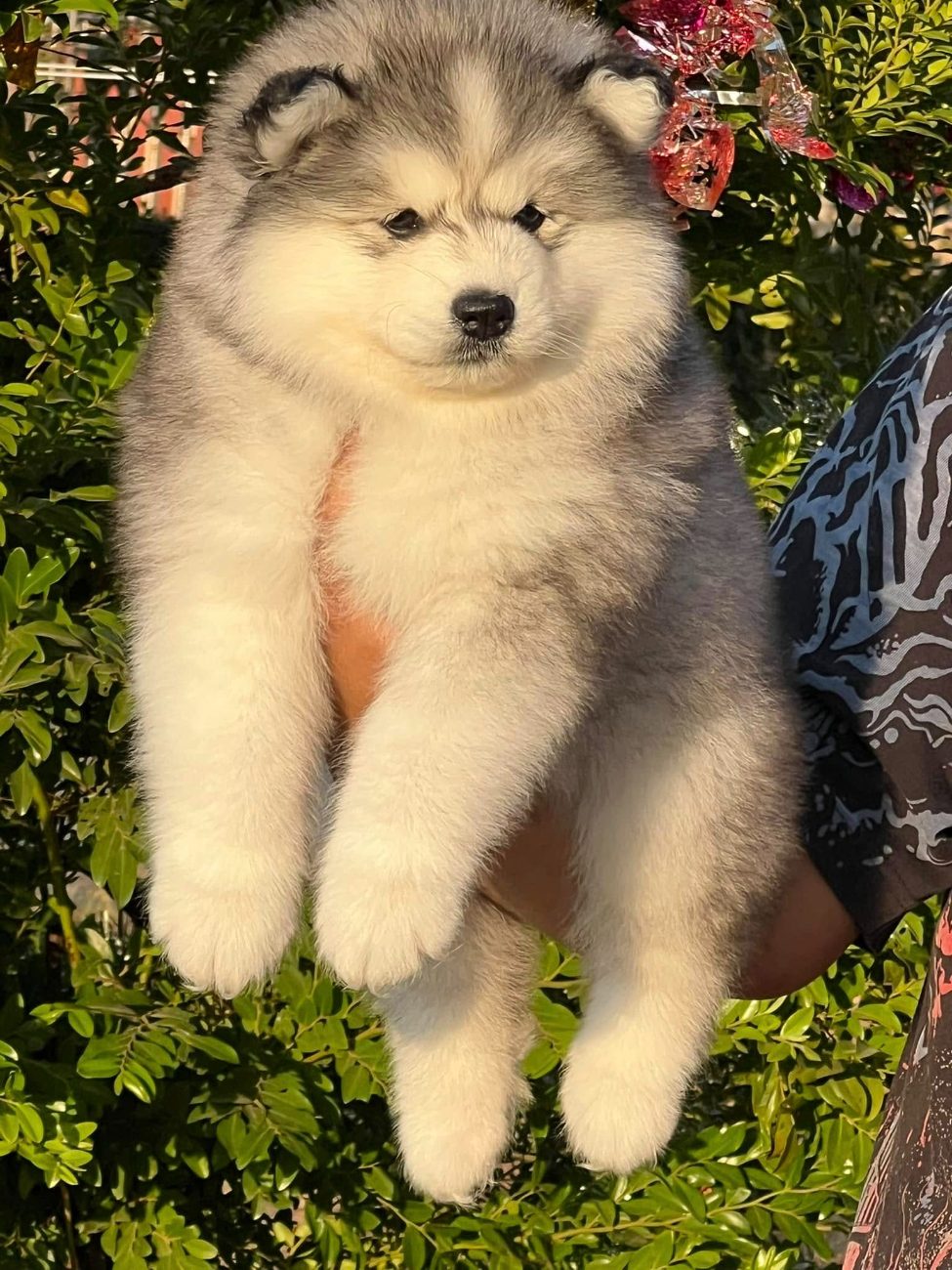
The first week sets the foundation of your relationship and your puppy's habits for a long time. Knowing what to expect keeps you from worrying about behaviour that is normal during the move.
The first hour home
Take the puppy to its toilet spot first, then bring it inside. Let it explore freely in a limited area. No need to carry it all the time, and don't invite visitors yet — let it settle on its own.
Days 1–2: what to expect
- Crying or howling at night — it has just left its mother and littermates. Normal.
- Eating a little less than the farm said, at first
- Sleeping a lot — a good thing; don't wake it
- Toilet accidents while it learns where to go
Food — don't change it yet
Keep the same brand and formula the farm used for at least 1–2 weeks. To switch, mix in the new food gradually over 7 days. A sudden change is a leading cause of diarrhoea in newly moved puppies.
Farm tip: Don't bathe the puppy in the first 3–5 days. Let it adjust, and wait until vaccines are done as your vet advises. Wipe with a warm damp cloth if needed.
Days 3–5: build a routine
Set regular times for meals, toilet trips and sleep. Puppies learn from predictability — the clearer the routine, the faster toilet training goes. Take it out after waking, after eating and after play, every time.
Days 6–7: gentle socialising
Introduce new sounds and objects one at a time, positively — the vacuum cleaner from a distance with a treat, for example. Introduce family members one by one. Don't take it where other dogs are until vaccines are complete.
When to call a vet
Severe or bloody diarrhoea, repeated vomiting, not eating for over 24 hours, lethargy or unresponsiveness, or pale gums — contact a vet straight away. Puppies decline much faster than adult dogs.

Raising and breeding Siberian Huskies for over 10 years · About the farm