Aggression is a complex behaviour with many causes. Understanding the root cause is the first step to managing it safely and effectively.
Common causes
- Fear or feeling threatened
- Resource guarding, such as food or toys
- Pain or a health problem
- Protecting territory or family members
- Lack of early socialisation
A safe approach
Don’t use harsh punishment — it usually makes aggression worse. Find the real cause and avoid triggers in the meantime. Sudden new aggression should be checked by a vet first, as it may come from pain.
Severe aggression, or any risk to people, needs a vet or behaviour specialist quickly. Don’t try to handle it alone.
Many cases can be managed with the right behaviour plan and consistency. Getting expert help early gives the best results.
- American Veterinary Society of Animal Behavior (AVSAB)
- ASPCA — Aggression in Dogs
- RSPCA — Aggressive behaviour in dogs
How to manage it
- Find the real cause (a vet visit may be needed to rule out illness)
- Use positive training, not harsh punishment
- Gradually reduce triggers
- Socialise safely and gradually
Harshly punishing an aggressive dog usually makes things worse by adding fear. Consult a behaviour specialist if it’s severe.
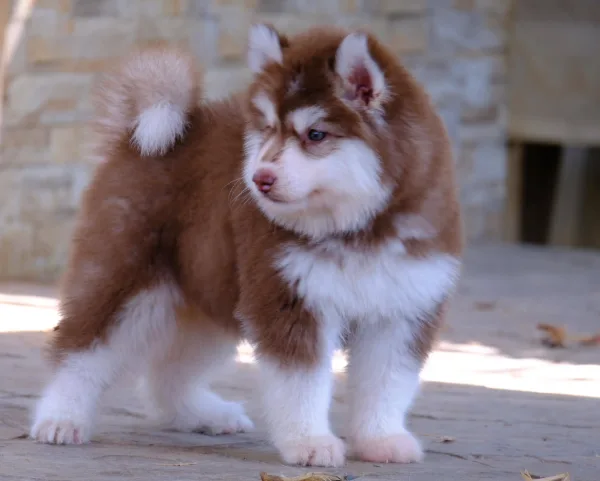
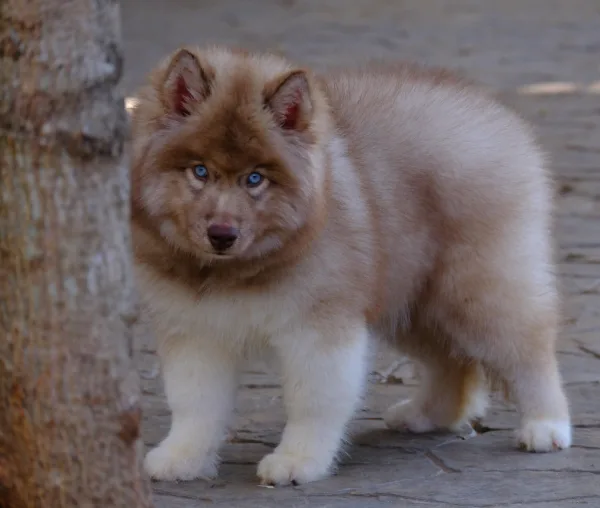
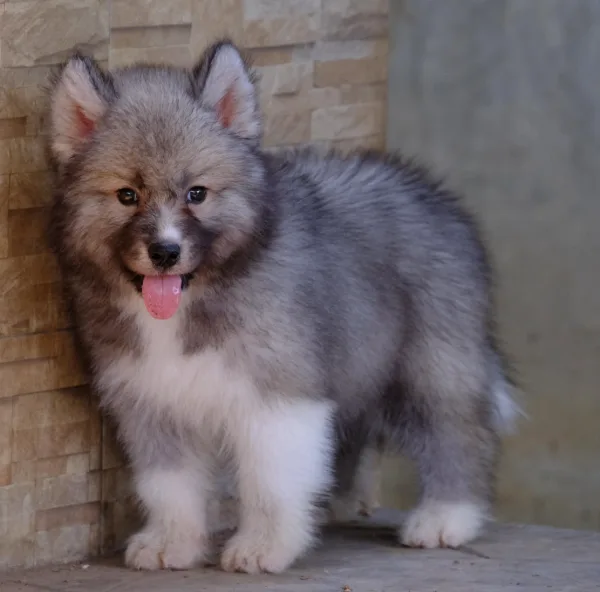
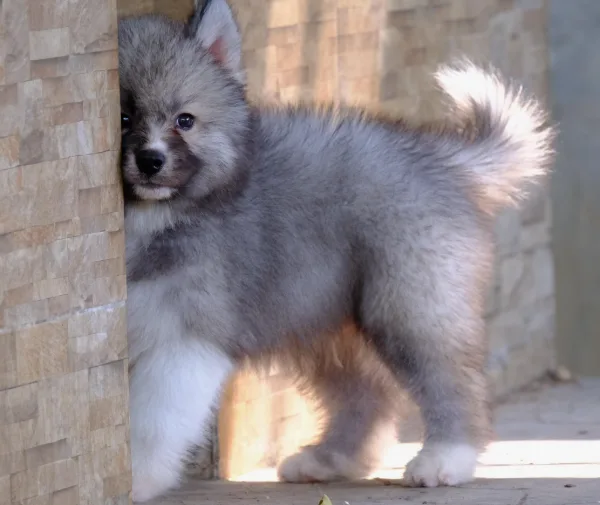
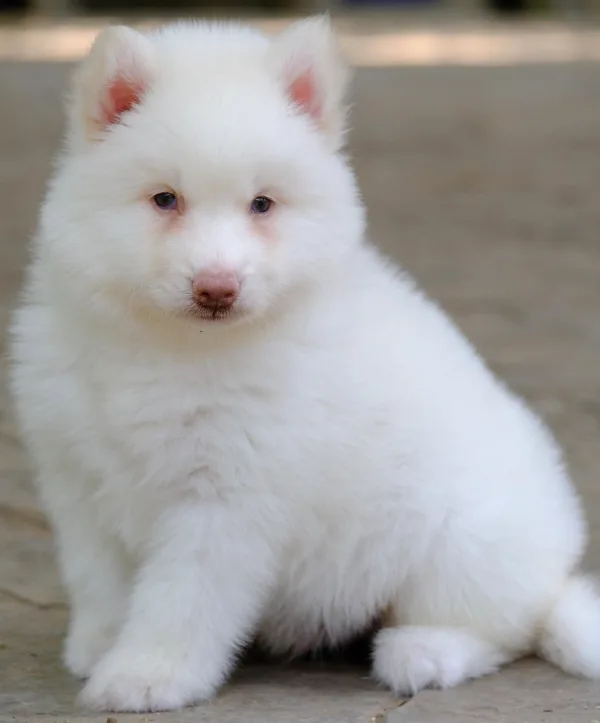
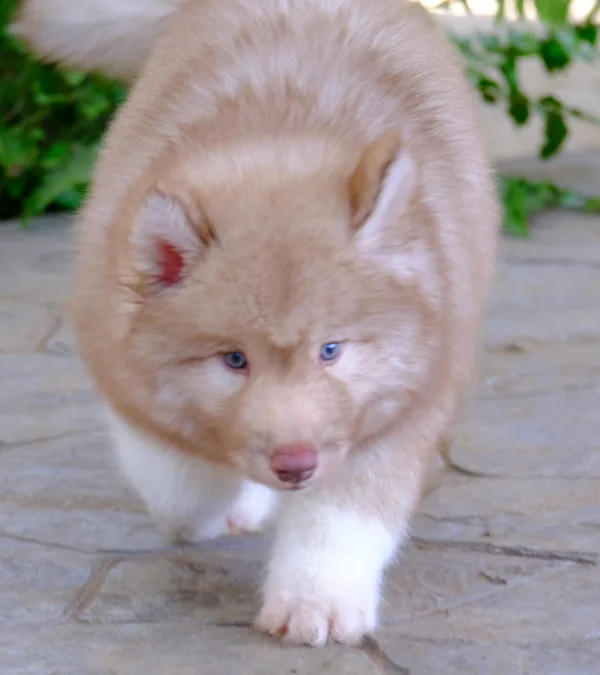
Huskies are naturally friendly and rarely aggressive. Socialising from puppyhood goes a long way to preventing problems.
- ASPCA — Aggression in Dogs
- American Kennel Club (AKC) — Dog Aggression
- RSPCA — Aggressive behaviour

Has raised and bred Siberian Huskies for more than 10 years · Read the farm’s story