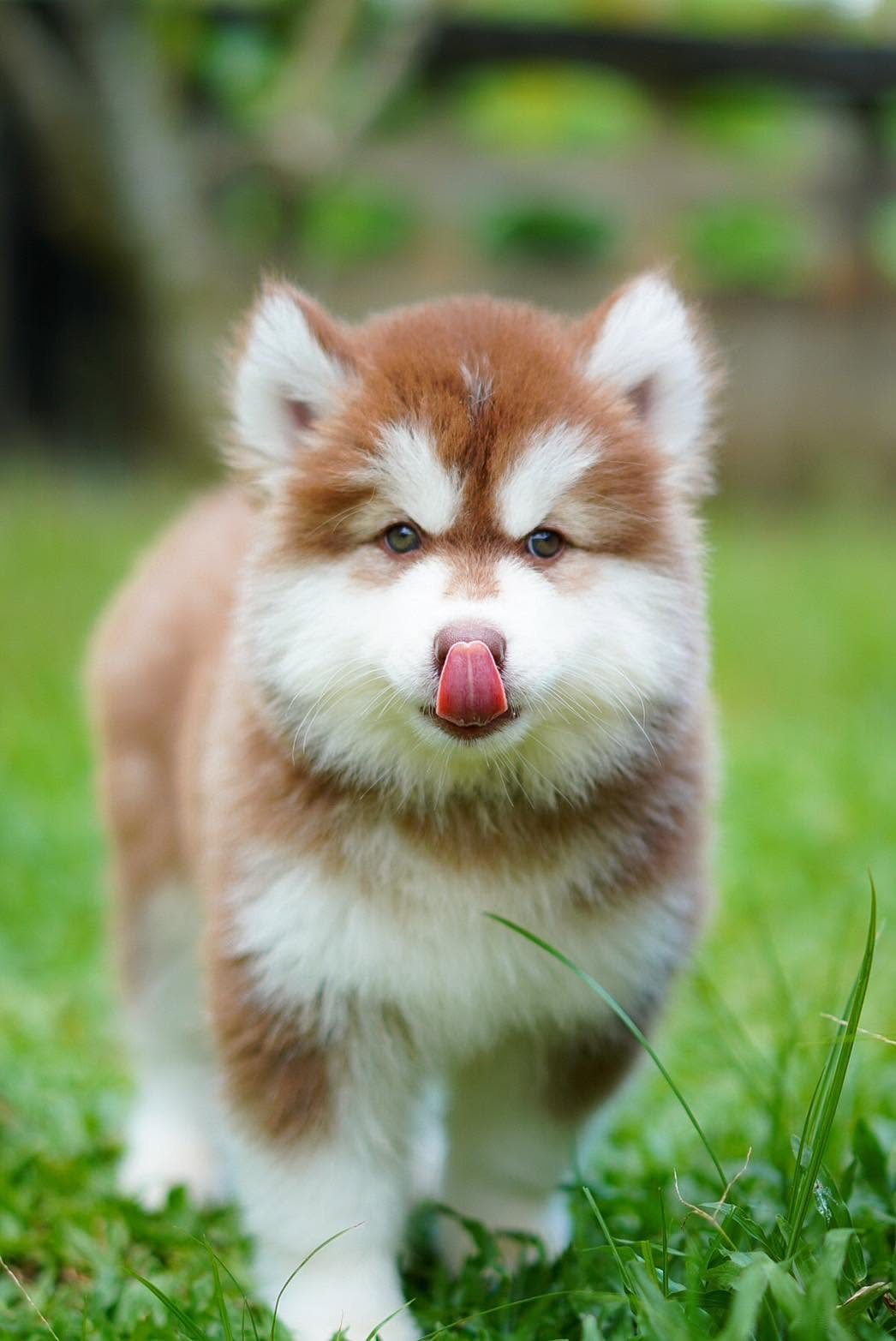
Dogs are always communicating with us through body language. Reading these signals helps you understand your dog’s feelings and needs, and prevents problems.
Signals to know
- Wagging tail = excited (not always happy — read the context)
- Ears flat back = fearful or submissive
- Lip licking/yawning = stressed or uneasy
- Play bow = an invitation to play
- Raised hackles = aroused or startled
- Hard stare = challenging or displeased
Why it matters
Reading body language tells you whether your dog is afraid, stressed or happy, so you can respond correctly and avoid situations that could lead to a bite.
Look at the whole body, not just one signal — a wagging tail with a stiff body and a stare may not be friendly.
The better you understand your dog’s body language, the better your relationship, because you can meet its needs precisely.
- ASPCA — Canine Body Language
- American Kennel Club (AKC) — Understanding Dog Body Language
Reading the tail and ears
- Loose, wagging tail: friendly and happy
- Stiff, upright tail: alert or confident
- Tail tucked between the legs: afraid or unsure
- Ears forward: interested. Ears flat back: afraid or submissive
Face and posture
A play bow with the rear raised is an invitation to play. Frequent yawning or nose-licking can signal stress, while a hard stare with a stiff body is a warning — give the dog space.
Read the whole body, not just one part, because each signal has to be interpreted in context.
Respond appropriately
Once you can read the signals, respond appropriately — give space when your dog is stressed, or play when it’s ready. Respecting how your dog communicates builds trust and a deep bond.

Has raised and bred Siberian Huskies for more than 10 years · Read the farm’s story